Rapa Nui
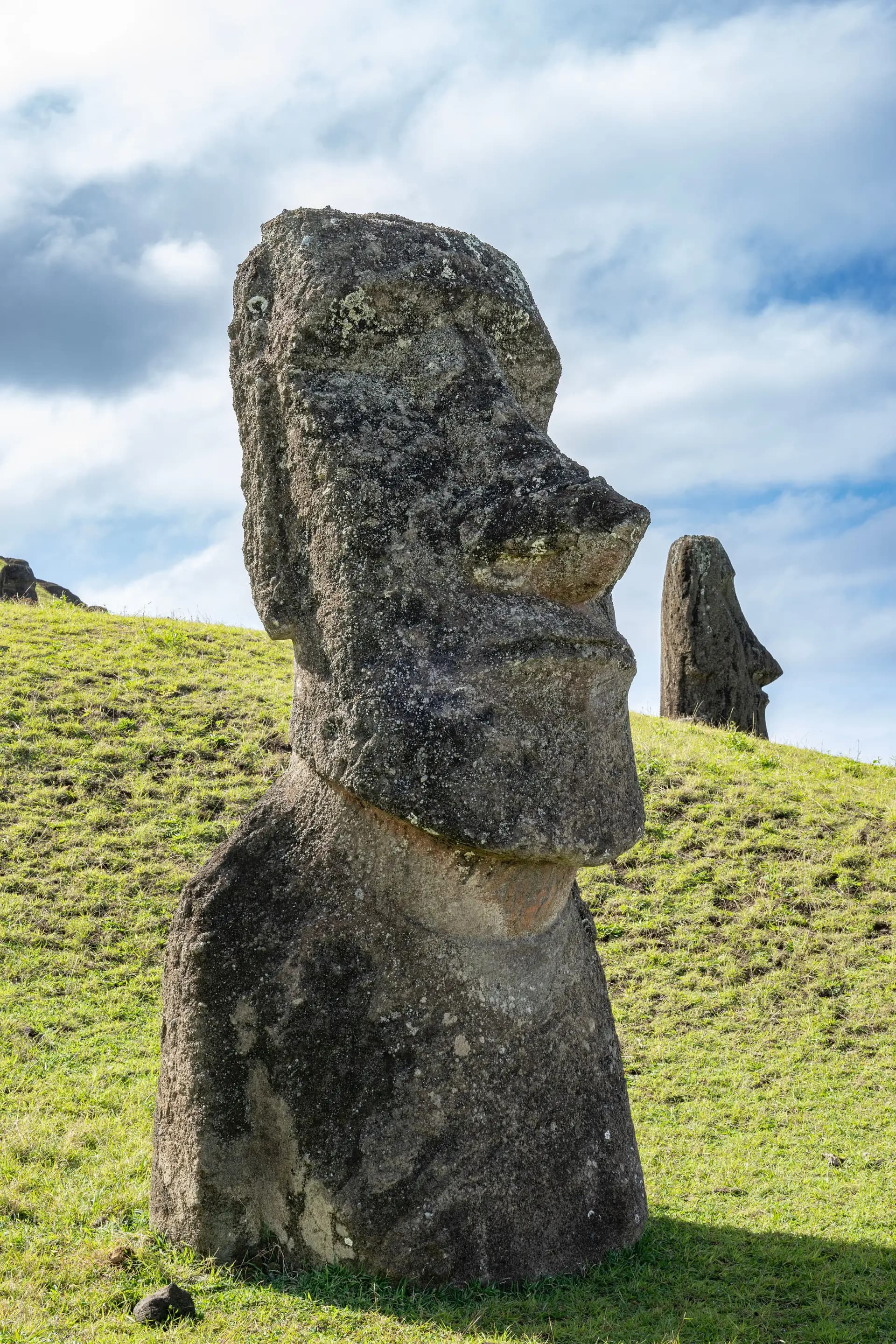
Rapa Nui ist eine Insel, die Ihre vollständige Präsenz einfordert. Das Gewicht der Geschichte liegt im Wind und ist in den vulkanischen Boden eingraviert. Wir zeigen Ihnen nicht nur die Moai, die am Nabel der Welt stehen. Wir versetzen Sie in ihren Blick. Ob Sie die absolute Stille der ungezähmten Ränder suchen oder den lebendigen Rhythmus der Kultur von Te Pito o Te Henua, wir übernehmen die Logistik der Entdeckung, damit Sie sich auf das Unvorstellbare konzentrieren können.
Bei MIRA KODA kümmern wir uns von der ersten Idee bis zum letzten Sonnenuntergang um jedes Detail, damit Sie sich vollständig auf das Erlebnis konzentrieren können. Es geht um mehr als Reisen. Es geht um den Raum, in dem Sie Ihre nächste liebste Erinnerung schreiben.
100.000 Besucher im Jahr.
Keiner ohne Vorbereitung.
Rapa Nui lässt sich nicht improvisieren. Die Einreisegenehmigung, die Nationalpark-Protokolle, die Koordination mit lokalen Guides und die Flugverbindungen über Santiago erfordern präzise Planung. Wer ohne Vorbereitung ankommt, verbringt einen erheblichen Teil der Zeit mit Logistik statt mit Erleben.
Wir kennen die Insel. Unsere Guides sind keine gebuchten Dienstleister, sondern Partner mit direktem Zugang zu Orten und Momenten, die sich dem gewöhnlichen Besuch verschließen. Ein privater Sonnenaufgang bei Ahu Tongariki ohne andere Gruppen. Eine Begegnung mit den Hütern des Mana, die kein Reiseführer verzeichnet.
Wir übernehmen alles. Von der Flugverbindung über Santiago bis zur letzten Koordination auf der Insel. Sie kommen an und erleben.
Sieben Wege.
Alle führen zur Essenz.
Unser Portfolio auf Rapa Nui umfasst ganztägige Immersionen, halbtägige Entdeckungen, geführte Wanderungen und kulturelle Begegnungen. Jedes Erlebnis ist als private Ausfahrt verfügbar.
Rapa Nui Essentials
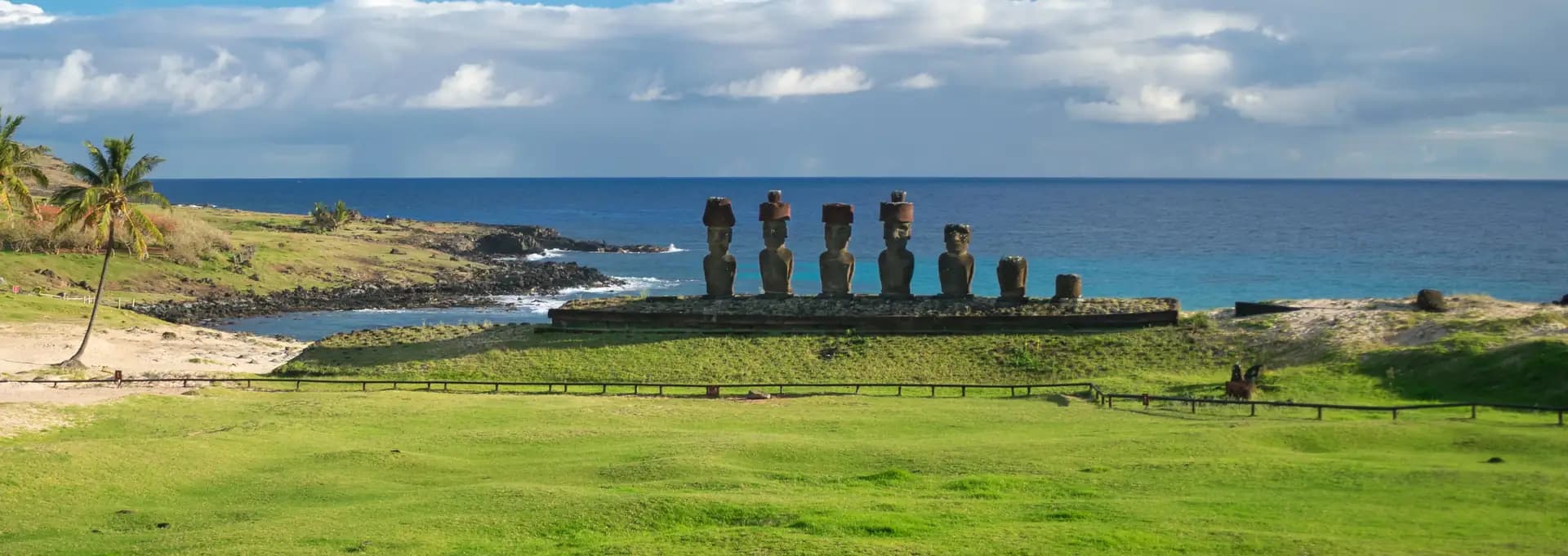
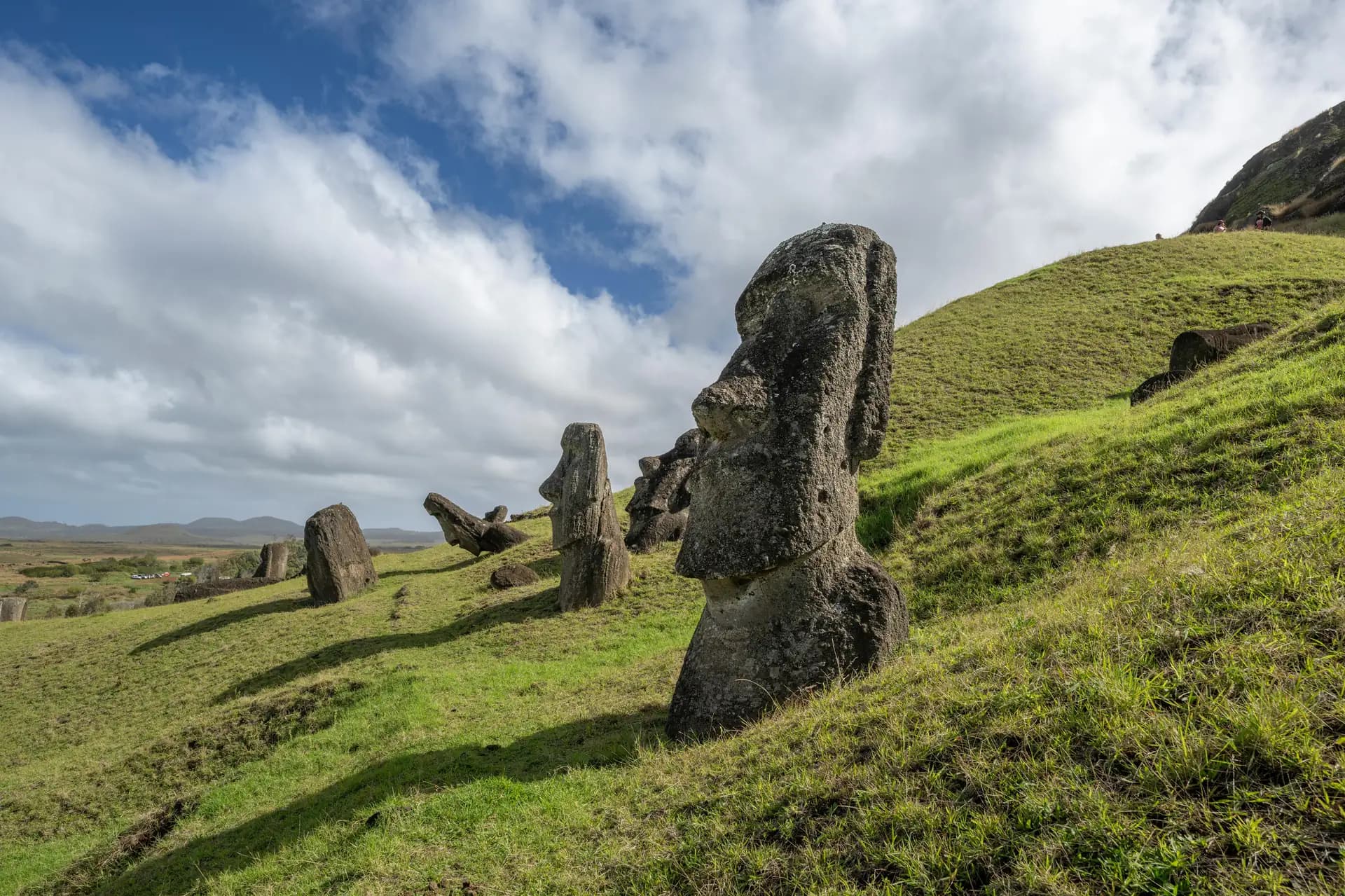
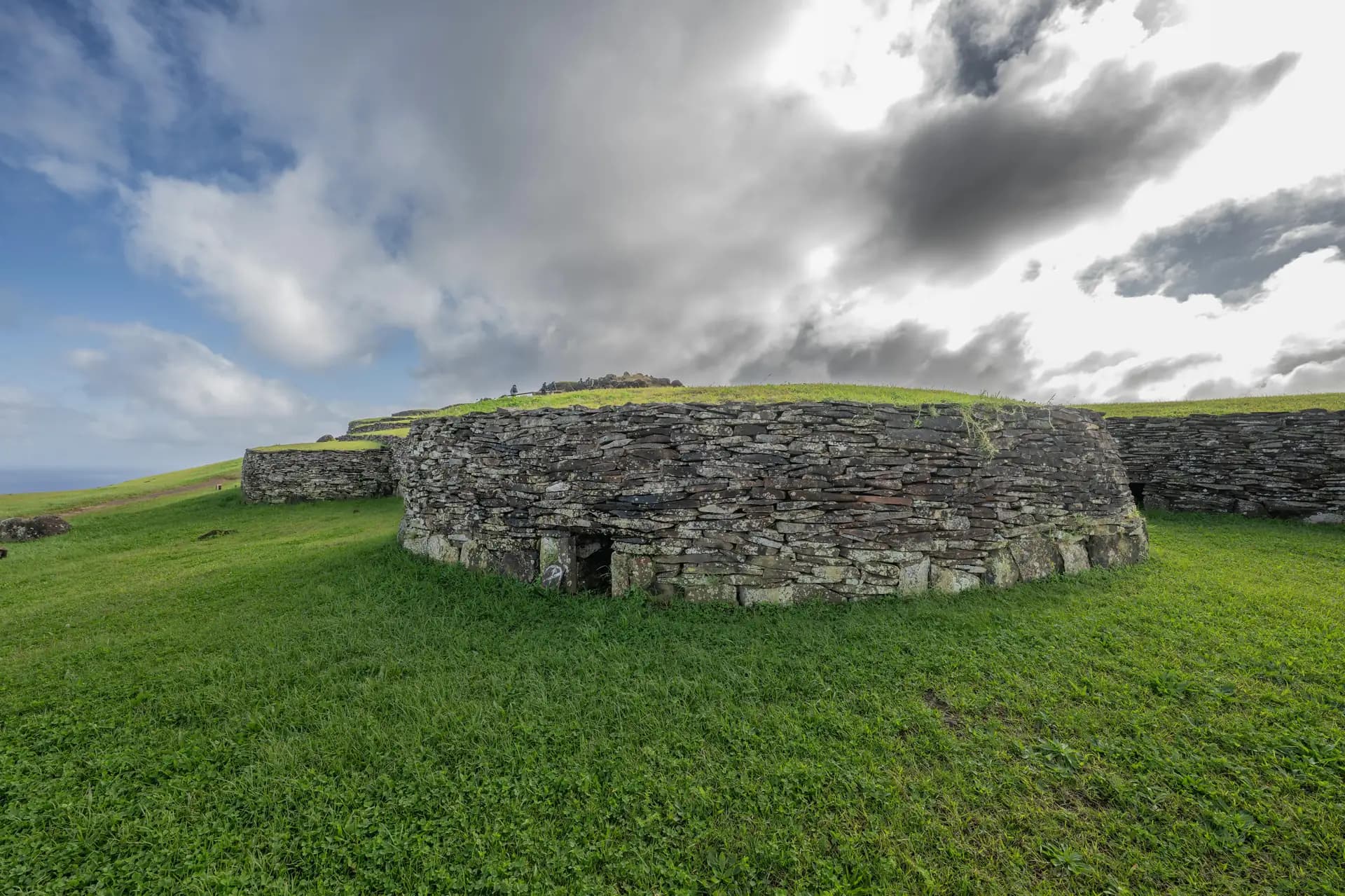
Die prägenden Stätten der Insel in einem einzigen Rundkurs. Rano Kau und das Zeremoniedorf Orongo am Kraterrand über dem Pazifik. Ahu Akivi, die einzige Plattform, bei der die Moai zum Ozean blicken. Rano Raraku, der Steinbruch. Ahu Tongariki, die größte Zeremonialstruktur in Polynesien mit fünfzehn stehenden Moai. Und der Strand von Anakena zum Abschluss. Sieben bis acht Stunden, niedrige Intensität, professionelle Führung, Transport und Mahlzeiten inbegriffen.
Hotu Matuas Reise
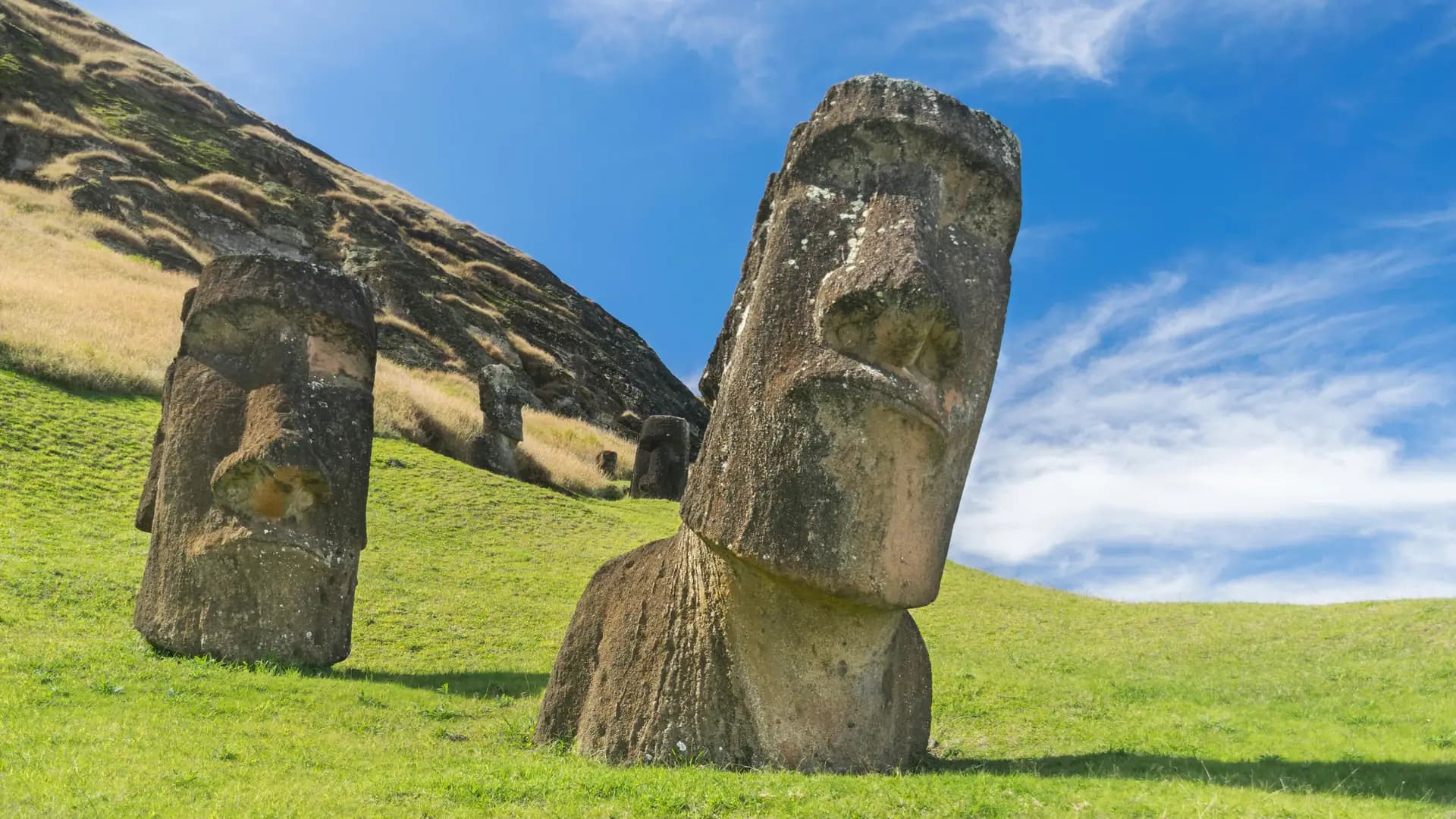
Die Route des Gründungskönigs der Insel. Rano Raraku und Ahu Tongariki bilden den Morgen. Akahanga, wo unrestaurierte Plattformen genau so verbleiben, wie sie vor Jahrhunderten verlassen wurden, bietet einen Kontrast zu den rekonstruierten Stätten. Te Pito Kura, wo der größte je transportierte Moai steht, und Papa Vaka, die antiken maritimen Felszeichnungen, vervollständigen den Tag. Sechs bis sieben Stunden.
Haumaka's Traum
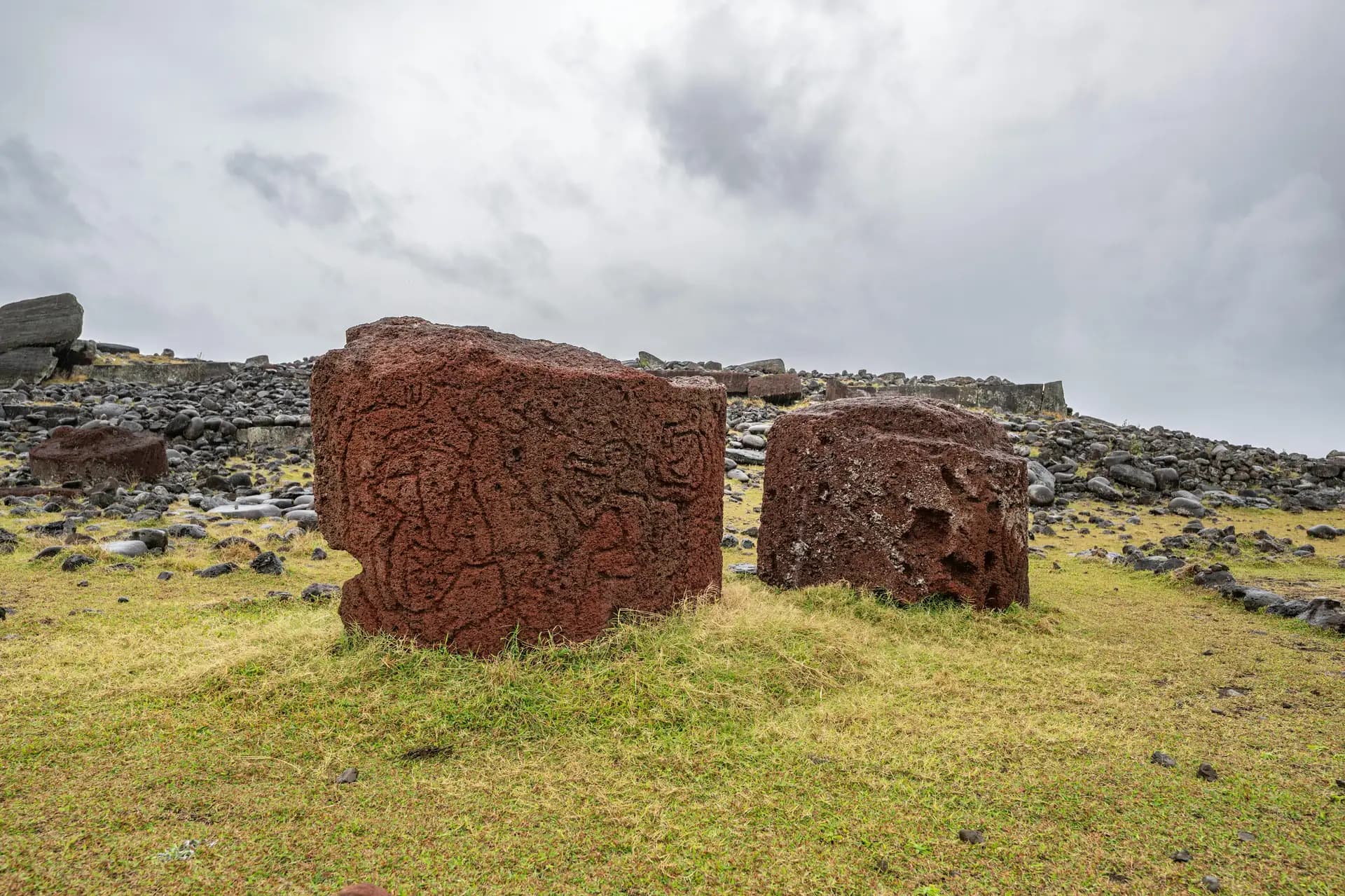
Die Stätten, die die anderen Dimensionen der Insel enthüllen. Ahu Akivi und Puna Pau, der rote Vulkansteinbruch, in dem die Pukao gefertigt wurden. Ana Te Pahu, das größte Vulkanrohr der Insel. Rano Kau und Orongo. Und Vinapu, dessen Steinmauerwerk an die Präzision von Machu Picchu erinnert. Sechs bis sieben Stunden.
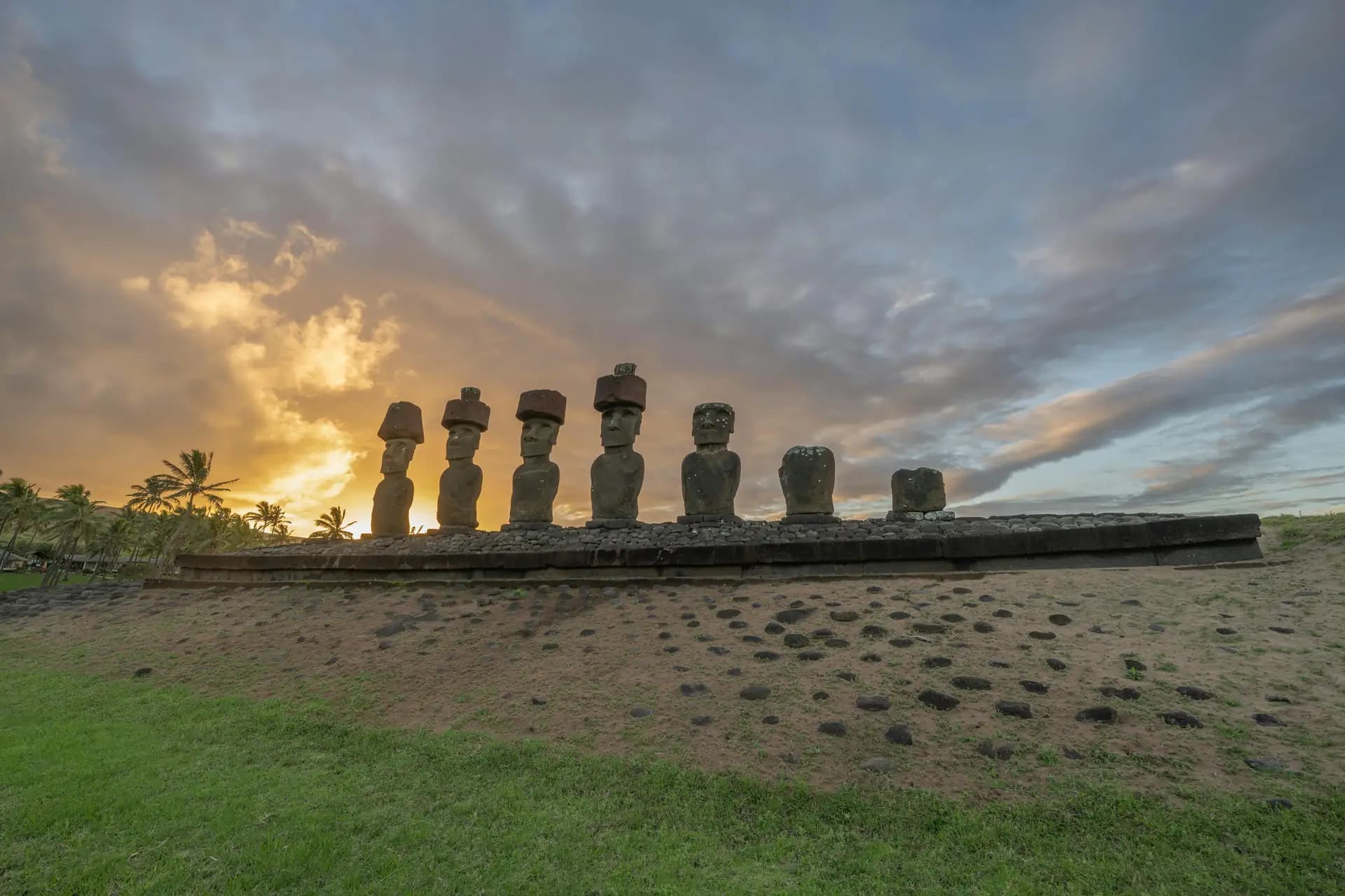
Roiho-Geheimnisse
Ahu Akivi, Puna Pau, das Sonnenobservatorium Ahu Uri A Urenga und Ana Te Pahu. Drei Stunden.
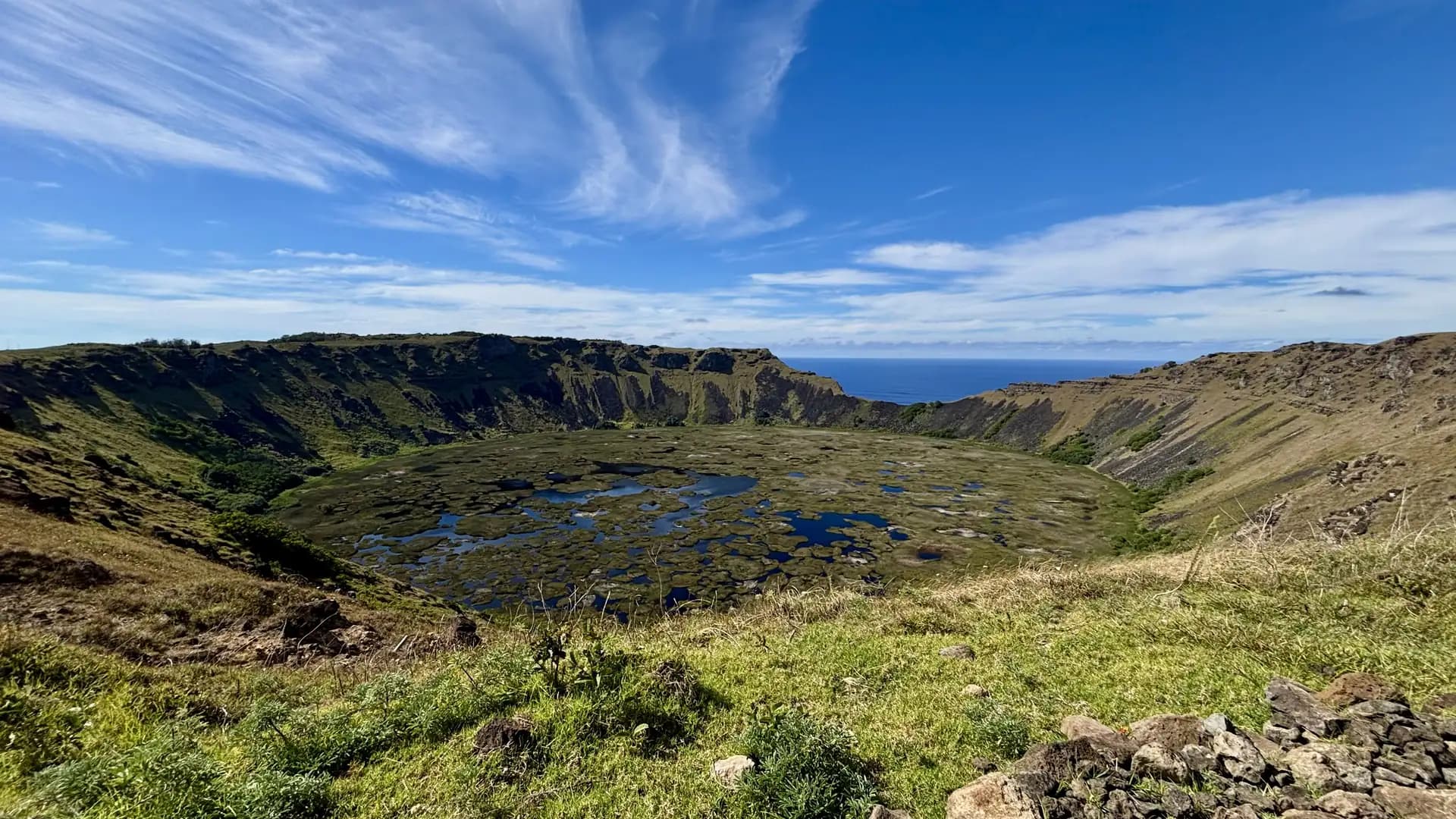
Erinnerungen des Vulkans
Rano Kau, Orongo und das geheimnisvolle Basaltmauerwerk von Ahu Tahira bei Vinapu. Drei Stunden.
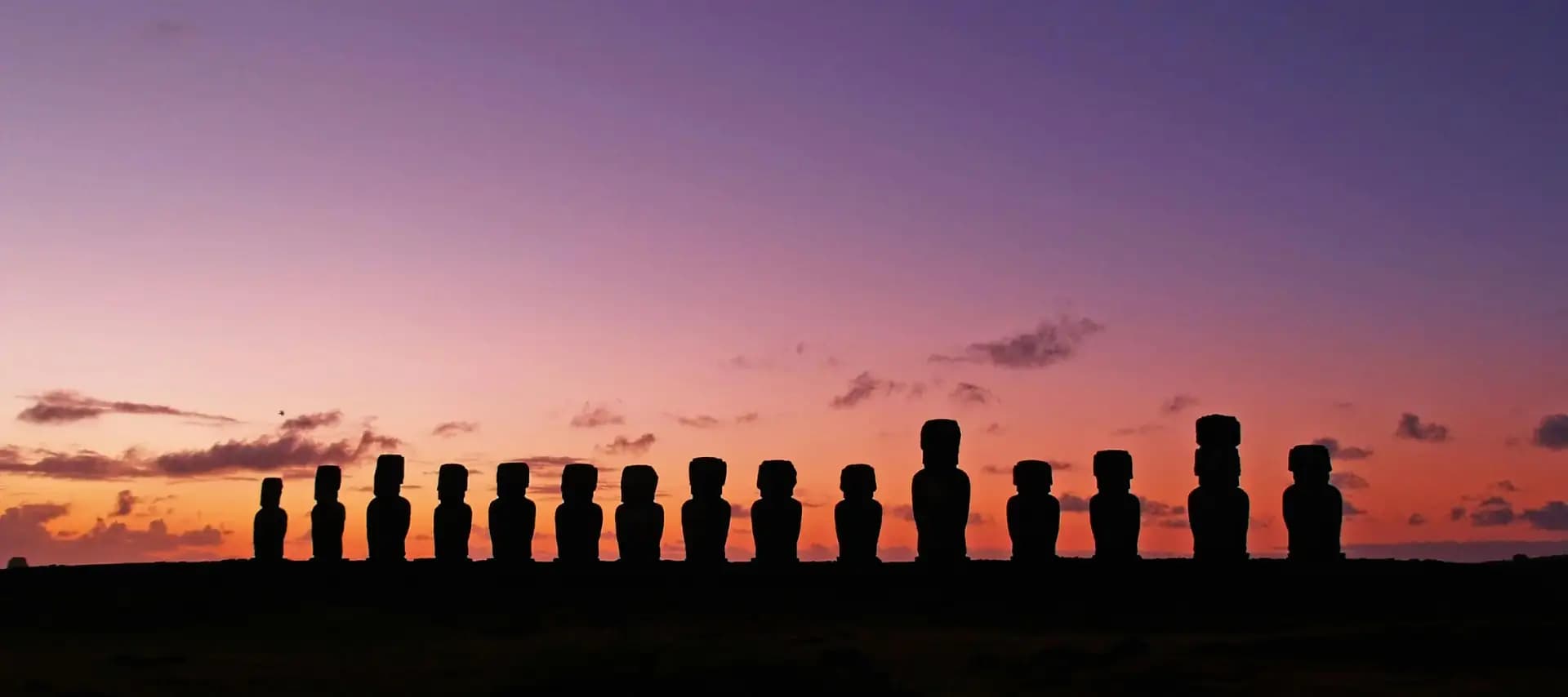
Sonnenaufgang bei Ahu Tongariki
Die Reise im Morgengrauen, um den Sonnenaufgang bei Ahu Tongariki zu erleben, gehört zu den eindringlichsten Erlebnissen, die die Insel bietet. Fünfzehn Moai als Silhouetten gegen den Pazifik, während das Licht eintrifft.
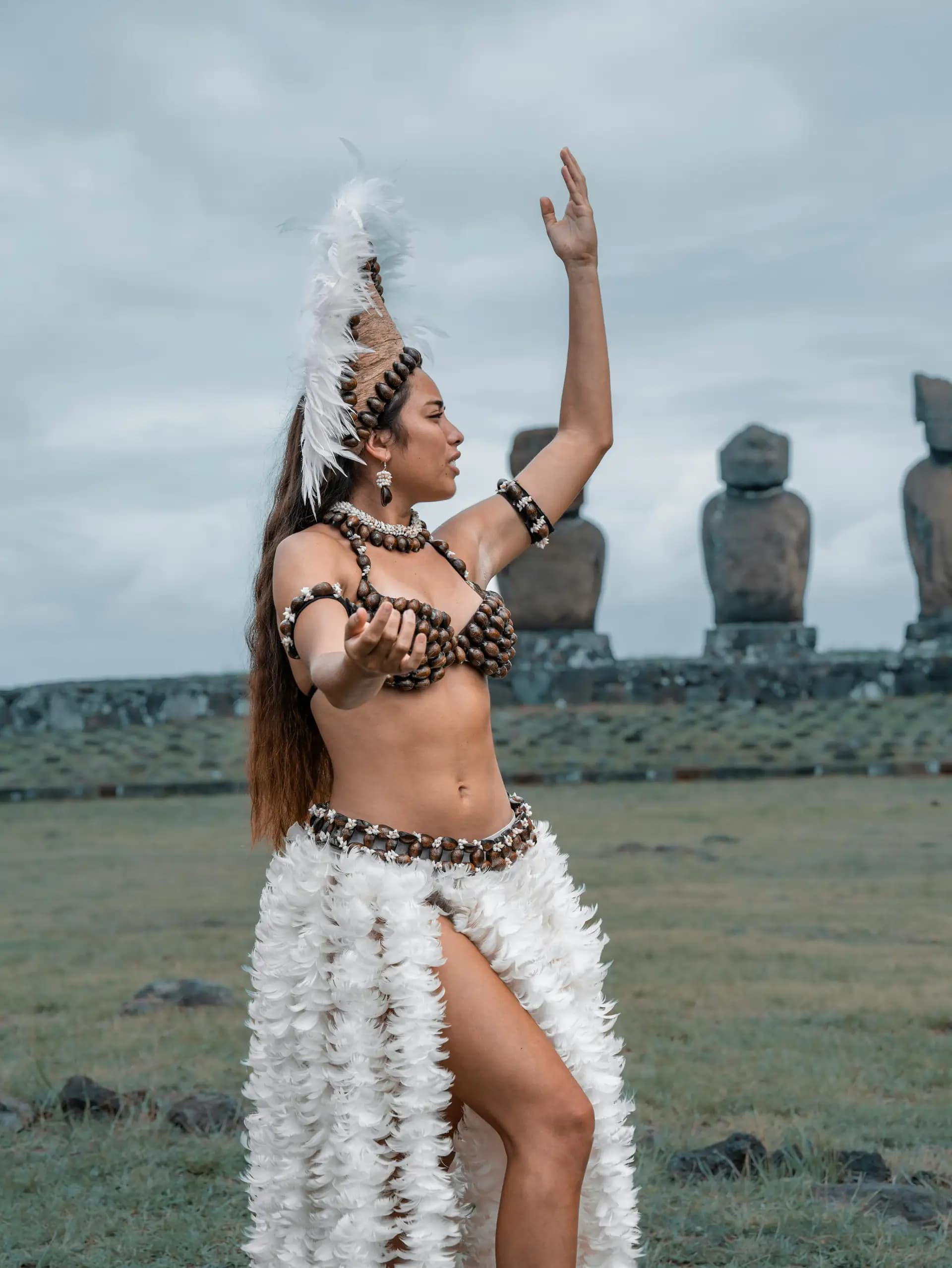
Traditionelle Polynesische Show
Eine Aufführung traditionellen Tanzes und traditioneller Musik, die die Ahnengeschichten der Insel in die Gegenwart trägt. Wir sichern den Zugang direkt.
Was Sie wissen müssen.
Bevor Sie reisen.
Rapa Nui hat seine Beziehung zu Besuchern in den letzten Jahren sorgfältig verwaltet. Die Einreise auf die Insel erfordert eine vorregistrierte Genehmigung, und der Nationalpark, der große Teile der Insel umfasst, operiert unter Protokollen zum Schutz der Stätten für künftige Generationen. Wir kümmern uns um die Einreisedokumentation, die Parkgenehmigungen und die Koordination mit den lokalen Behörden als Teil jeder Reiseroute.
Die Insel empfängt weniger als 100.000 Besucher jährlich, einen Bruchteil vergleichbarer Kulturerbe-Destinationen. Diese relative Seltenheit ist ein Teil dessen, was das Erlebnis so anders macht als die Stätten, mit denen es oft verglichen wird. Unsere Gruppengrößen bleiben klein und unser Umgang mit den Stätten bleibt aufmerksam.
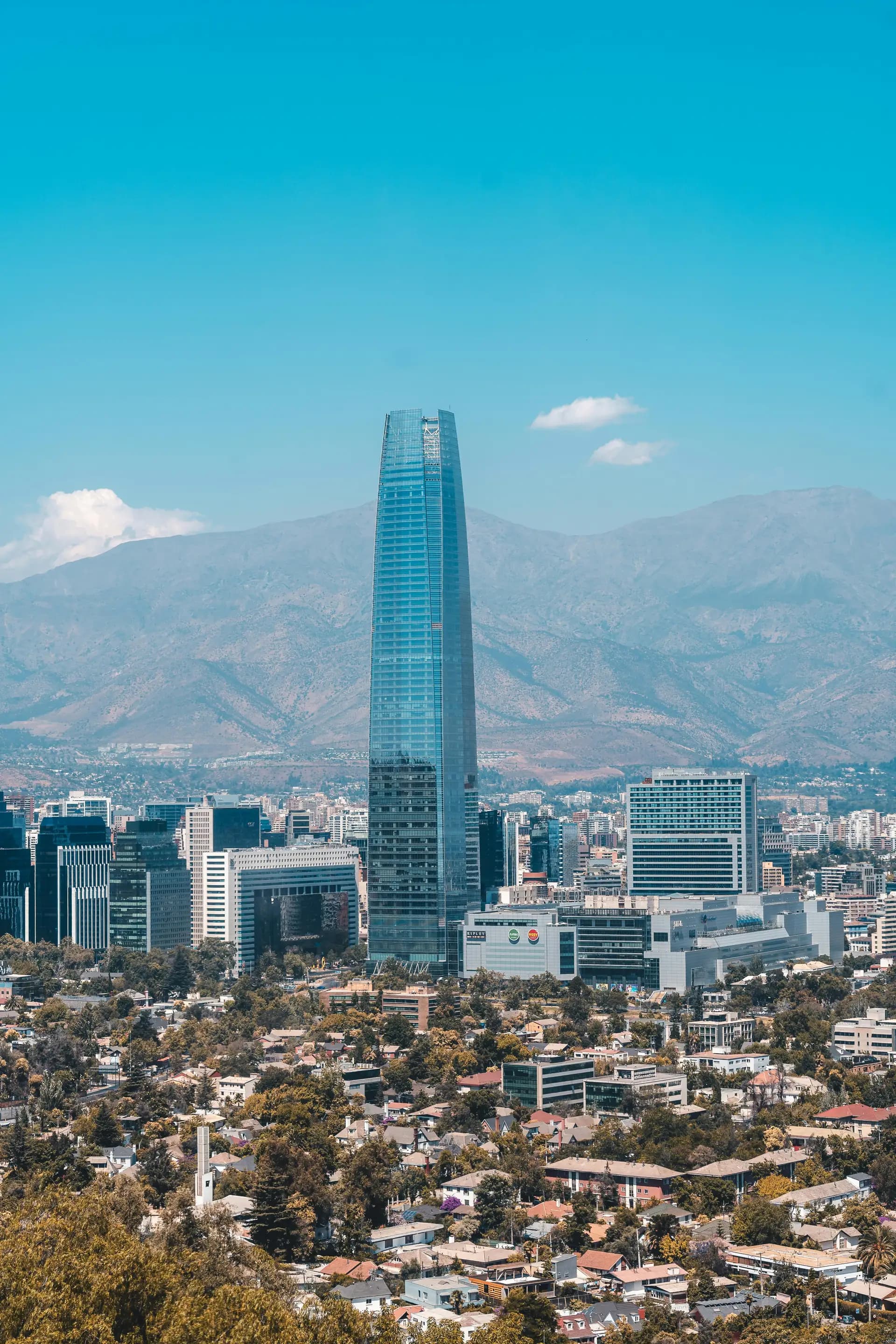
Der Flug von Santiago dauert ungefähr fünf Stunden. Das Klima ist subtropisch mit ganzjähriger Wärme, obwohl die Wintermonate der südlichen Hemisphäre von Juni bis August kühlere Temperaturen und gelegentlichen Regen bringen.
Häufig gestellte Fragen
Der einzige kommerzielle Zugang erfolgt per Flugzeug von Santiago, Chile. LATAM betreibt regelmäßige Flüge, die die ungefähr fünfstündige Überquerung abdecken. Wir koordinieren alle Flüge als Teil der Reiseroute, einschließlich der Verbindung von Ihrer Heimatstadt nach Santiago. Keine andere Fluggesellschaft bedient die Insel.
Fünf Nächte ermöglichen ein gründliches Erlebnis der wichtigsten Stätten der Insel ohne Hetze. Gäste mit tieferem Interesse an der Archäologie oder der natürlichen Landschaft finden eine Woche angemessener. Weniger als vier Nächte ist etwas, das wir angesichts der Länge und der Kosten der Reise nicht empfehlen.
Ja. Seit 2018 erfordert die Einreise nach Rapa Nui eine vorregistrierte Genehmigung über das Municipio de Isla de Pascua, und der Zugang zum Nationalpark erfordert eine separate Gebühr. Besucher sind auf maximal dreißig Tage auf der Insel beschränkt. Wir koordinieren alle Dokumentation und Zugangsgenehmigungen als Teil jeder Reiseroute.
Ja. Die wichtigsten Stätten sind ohne Spezialausrüstung oder besondere Fitness zugänglich, und die Größe der Insel macht die Logistik unkompliziert. Kinder mit Interesse an Geschichte, Archäologie oder Wildtieren finden die Insel oft außergewöhnlich fesselnd. Wir passen das Programm entsprechend an und planen angemessene Ruhepausen ein.
Die Insel ist das ganze Jahr über bereisbar. Dezember bis März bringt die wärmsten Temperaturen und den klarsten Himmel, zusammen mit dem Tapati Rapa Nui Festival im Februar. Juni bis August ist kühler und ruhiger. Oktober und November bieten eine Balance aus gutem Wetter und weniger Besuchern.
Die indigene Sprache ist Rapa Nui, eine polynesische Sprache, die mit Hawaiianisch und Maori verwandt ist. Spanisch ist die primäre Arbeitssprache. Unsere Guides sprechen fließend Englisch, Spanisch und teilweise Deutsch und können kulturellen Kontext in der jeweils vom Gast gewünschten Tiefe vermitteln.
Ja. Die Einreise auf die Insel erfordert eine vorregistrierte Genehmigung über das Municipio de Isla de Pascua. Der Nationalpark, der große Teile der Insel umfasst, operiert unter zusätzlichen Schutzprotokollen. Besucher sind auf maximal dreißig Tage begrenzt. Wir koordinieren alle Einreisedokumentation, Parkgenehmigungen und die Abstimmung mit den lokalen Behörden als Teil jeder Reiseroute.
Der Flug von Santiago nach Rapa Nui dauert ungefähr fünf Stunden über offenen Pazifik. Es gibt nur eine Fluggesellschaft, die die Insel bedient: LATAM. Flüge aus Europa verbinden über Santiago, was eine Gesamtreisezeit von mindestens achtzehn bis zwanzig Stunden ab Europa ergibt. Wir koordinieren alle Verbindungen als Teil der Gesamtreiseroute.
Die Insel empfängt weniger als 100.000 Besucher jährlich – einen Bruchteil vergleichbarer Kulturerbe-Destinationen wie Machu Picchu oder Angkor Wat. Diese relative Seltenheit trägt wesentlich zur Qualität des Erlebnisses bei. Unsere Gruppengrößen bleiben klein, und unser Umgang mit den Stätten ist darauf ausgerichtet, diese Exklusivität zu bewahren.
Das Klima ist subtropisch mit ganzjähriger Wärme. Die wärmsten und sonnigsten Monate sind November bis März. Die Wintermonate der südlichen Hemisphäre von Juni bis August bringen kühlere Temperaturen und gelegentlichen Regen. Wind ist eine konstante Begleitung, insbesondere auf der Ostküste, wo sich die bedeutendsten Stätten befinden.
Eine maßgeschneiderte Privatreise nach Rapa Nui umfasst typischerweise Flüge ab Europa über Santiago, fünf bis sieben Nächte auf der Insel in einer Boutique-Lodge, private Guides für alle archäologischen Stätten sowie alle Transfers und Parkgenehmigungen. Das Programm wird vollständig um Ihre Anforderungen herum komponiert. Sprechen Sie uns für ein unverbindliches Erstgespräch an.
Das Tapati Rapa Nui Festival findet jedes Jahr Ende Januar bis Anfang Februar statt und ist das bedeutendste Kulturfestival der Insel. Über zwei Wochen zelebriert die Gemeinschaft polynesische Tänze, traditionelle Sportarten und Musikwettbewerbe. Wer die Insel während des Tapati besucht, erlebt Rapa Nui in seiner lebendigsten Form. Wir koordinieren Buchungen und Zugang direkt.
Die Kunst des Reisens: Unser Versprechen
Ein Ansprechpartner
Ein einziger Ansprechpartner begleitet Ihre gesamte Reise und sorgt dafür, dass nichts dem Zufall überlassen bleibt.
Personalisierte Komposition
Jede Reiseroute wird um Ihre Anforderungen herum aufgebaut, ob Sie einen Meilenstein oder einen privaten Anlass feiern.
Die Haptic Koda
Zum Abschluss Ihrer Reise verwandeln wir Ihr Erlebnis in eine greifbare Erinnerung. Ein handgebundenes Werk Ihres Aufenthalts auf Fine Art Papier, ein zeitloses Objekt für eine gemeinsame Ära.
Bereit für eine Begegnung mit dem Unvorstellbaren?
Das Erstgespräch ist unverbindlich. Wir hören zu.