
Chile
Atacama · Patagonia · Rapa Nui
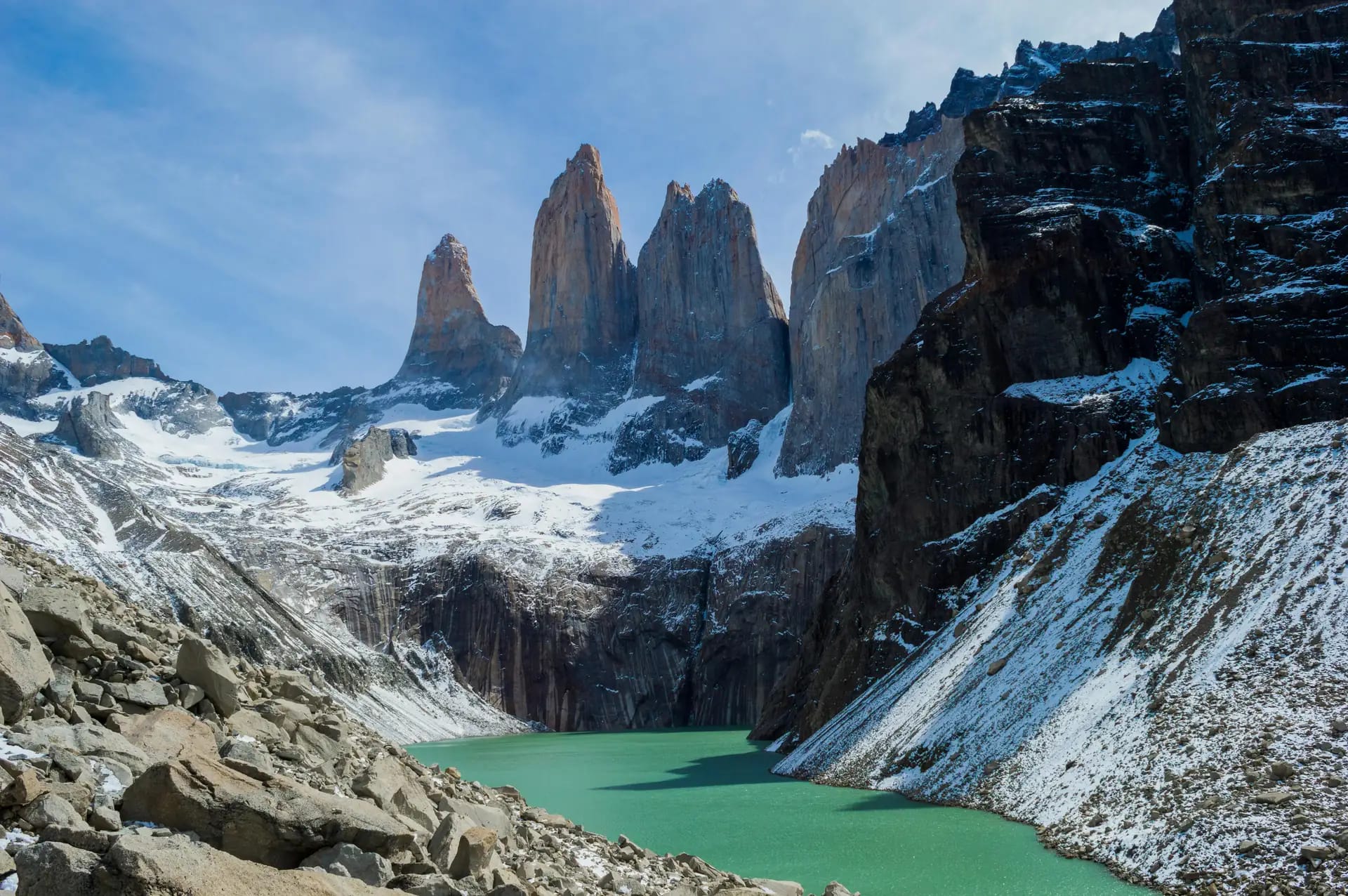
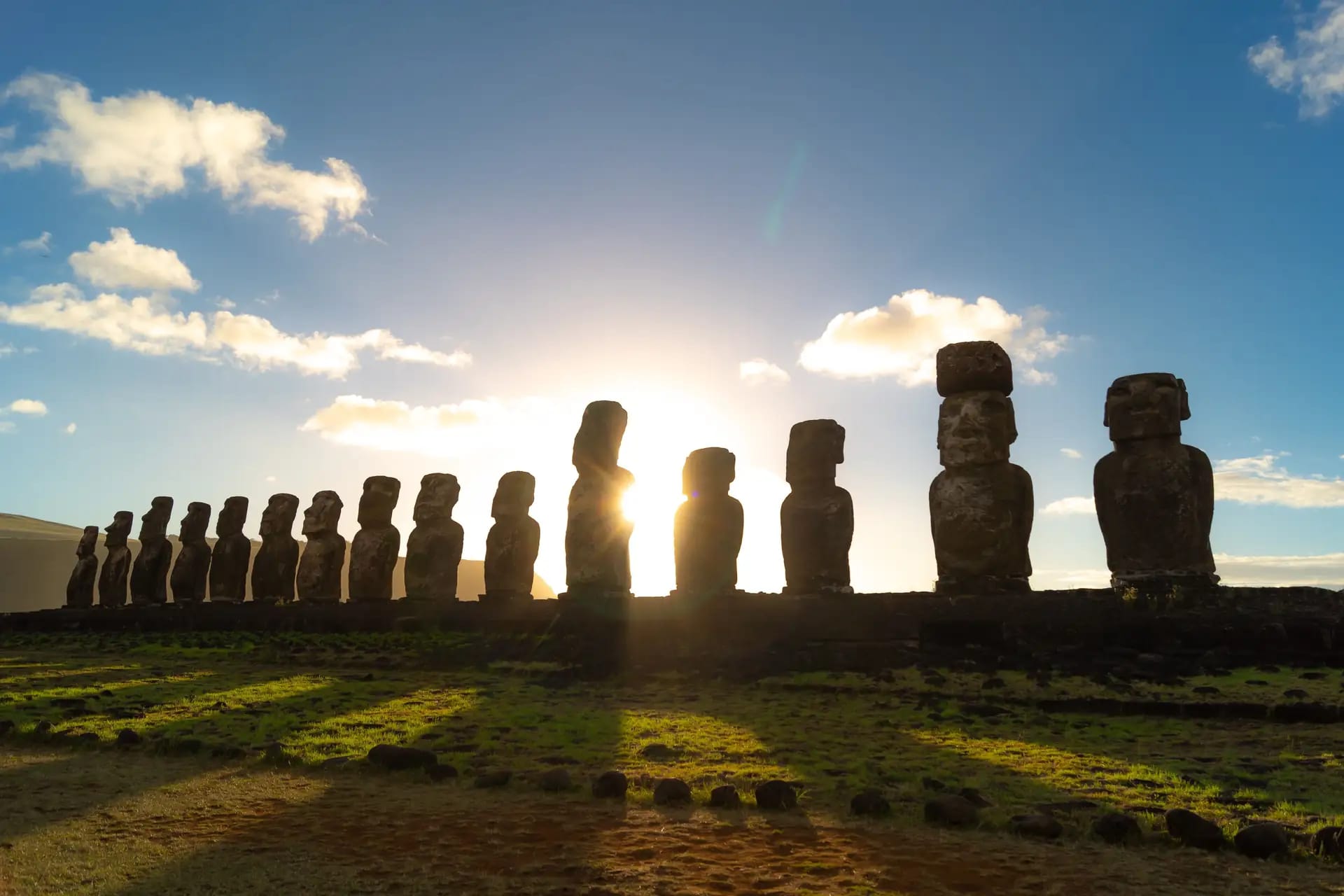
Chile is the only country in the world that connects the driest desert, the largest ice field in the southern hemisphere and the most remote inhabited place on the planet in a single journey. Three extremes. Three completely different worlds. A dramatic arc that few destinations can match. We coordinate the logistics that make this combination possible.
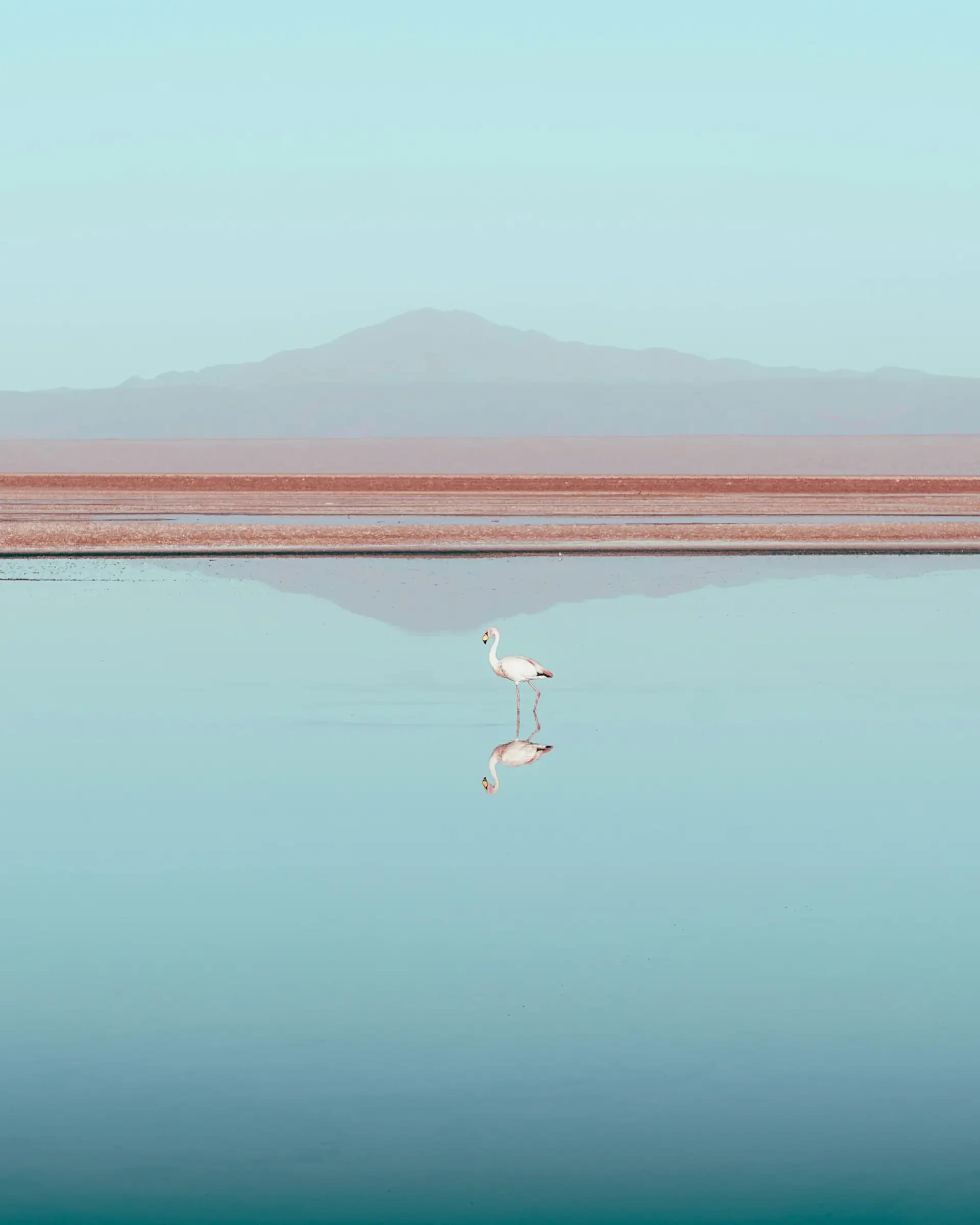
Best Time to Travel
November to February is the only window in which all three destinations peak at the same time. Broken down month by month.
Discover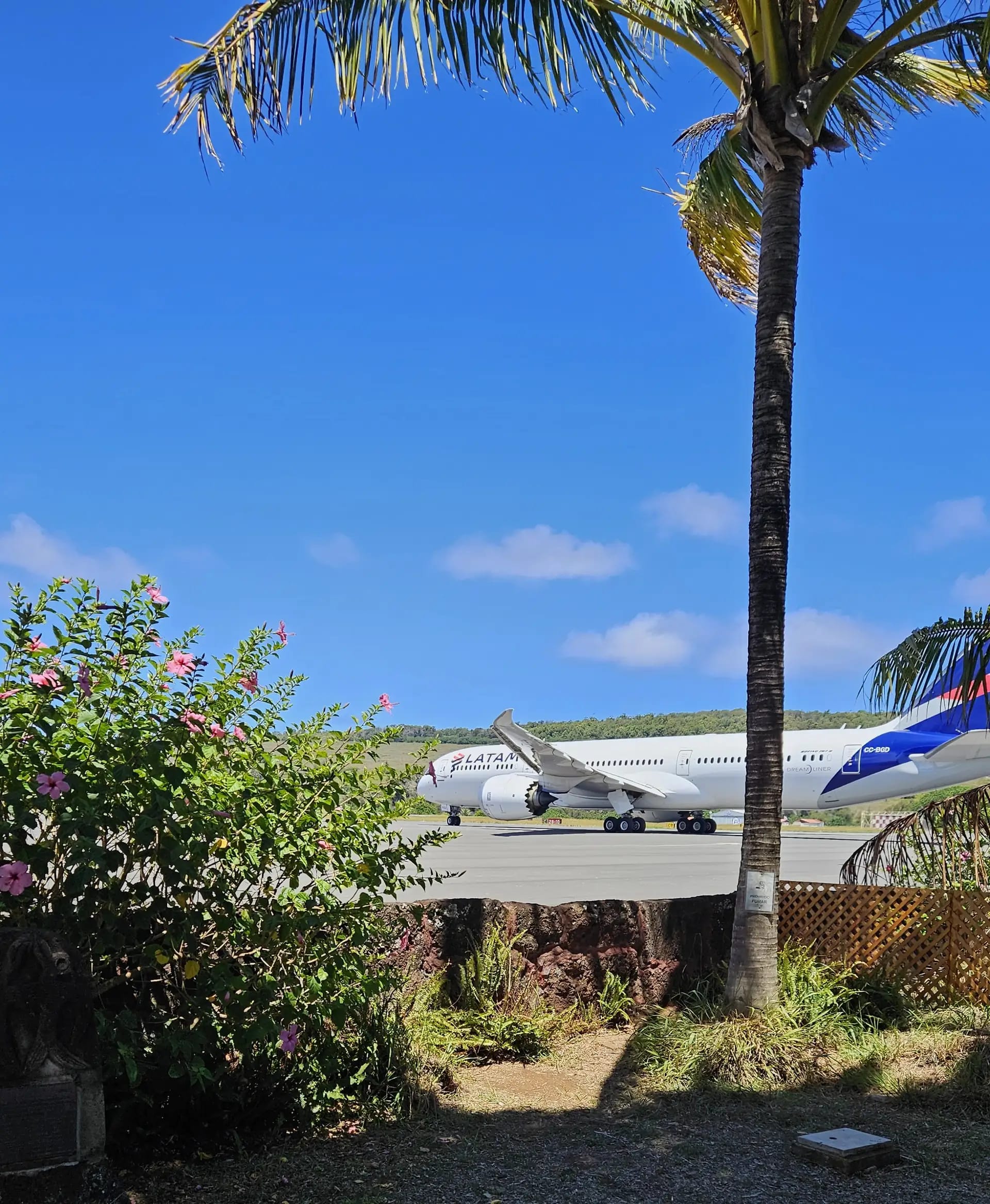
Planning & Entry
Entry permit for Rapa Nui, the border crossing into Argentina, altitude in the Atacama. What has to be in place before you fly.
Discover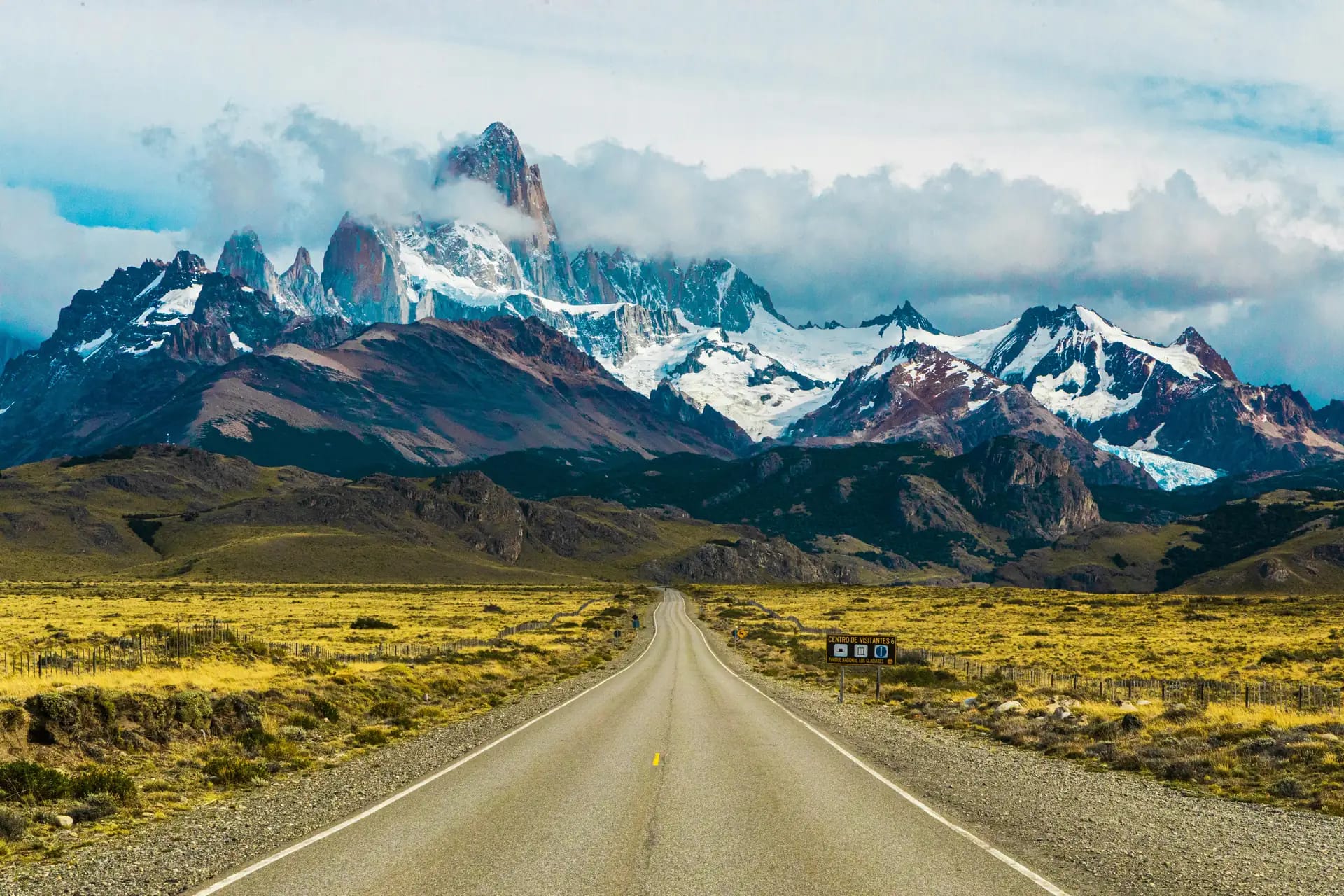
Itinerary & Logistics
Three destinations, four domestic flights, two countries. How the arc from desert to ice to the Pacific fits together.
DiscoverWhere You Stay in Chile
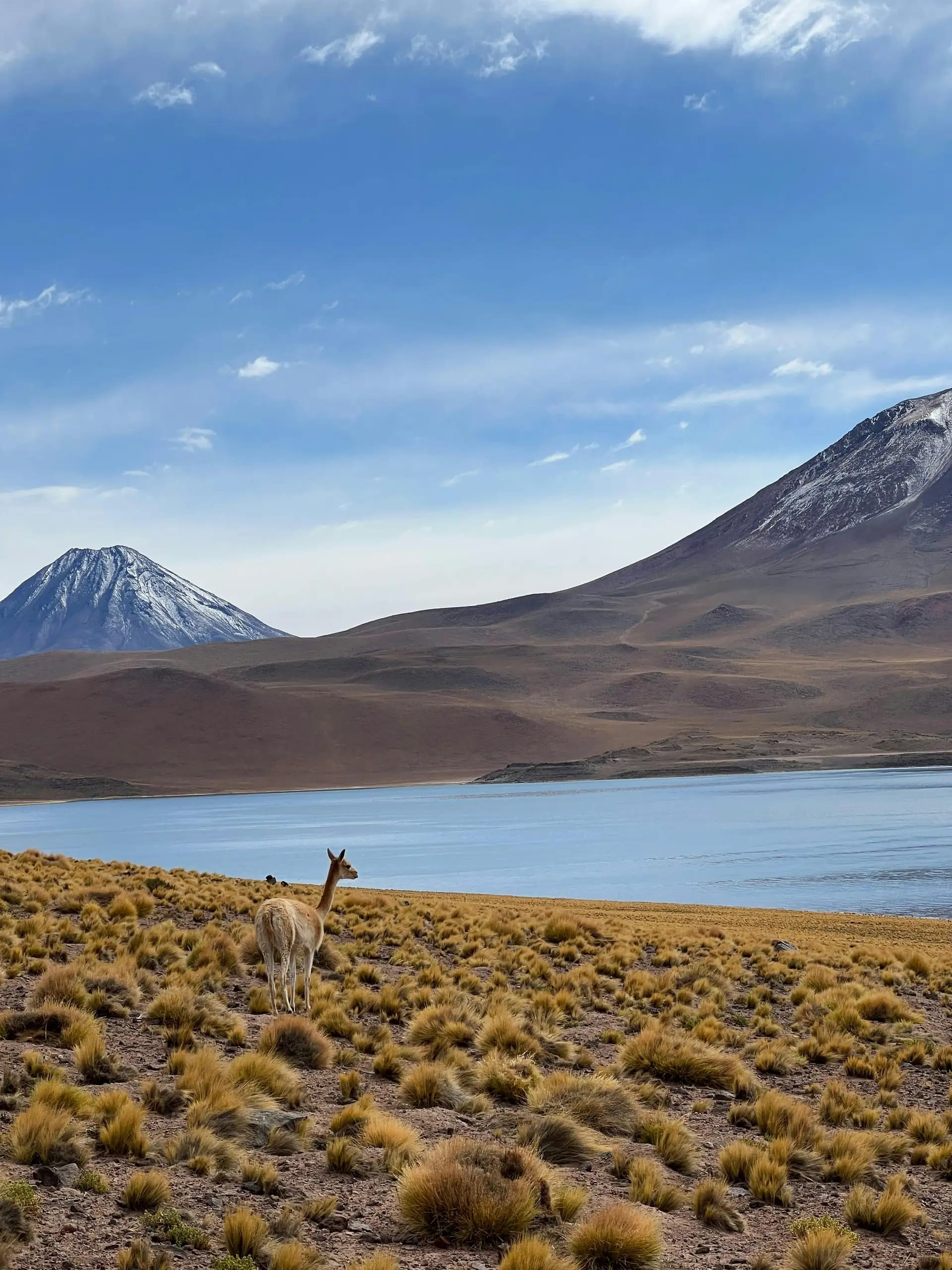
Desert, Ice and Ocean
Ways Through Chile
Latitud 29
16 daysAtacama and Patagonia, connected through Santiago.
- MIRA KODA Haptic Koda included
from 6,300 € p.p.
excl. international flights
01Latitud 29
Atacama and Patagonia, connected through Santiago.
- MIRA KODA Haptic Koda included
02Fin del Mundo
Patagonia and Rapa Nui, two ends of one journey.
- MIRA KODA Haptic Koda included
03Chile Circuit
Patagonia, Atacama, Rapa Nui and Santiago in one journey.
- MIRA KODA Haptic Koda included
04Honeymoon Experience
For couples who want their Chile journey more private and more personal.
- MIRA KODA Honeymoon Photobook, a curated album of your journey
- Access to the MIRA KODA Honeymoon Registry: family and friends can contribute toward the trip as a wedding gift
The honeymoon package enhances one of the three Chile journeys, it does not replace it.
* All prices are indicative per person and do not include international flights. Actual costs vary depending on travel period, availability and individual adjustments. The exact offer will be developed after the initial consultation.
Discovering Chile
Frequently Asked Questions
Total costs depend on travel duration, accommodation category, departure city and desired experiences. As a guide: an 18–21-day private journey for two people with premium lodges and private guides is in the five-figure range per person. The first conversation is no-obligation. Together we establish what your journey should include and create a transparent, tailor-made proposal.
A complete Chile circuit requires four domestic flights: Germany → Santiago (international), Santiago → Calama (for the Atacama), Calama → Santiago → Punta Arenas (for Patagonia), and Punta Arenas → Santiago → Isla de Pascua (for Rapa Nui). All connections and layovers in Santiago are planned and booked by us as part of the overall route.
For travel in the main window of November to February, you should book at least 10–12 months in advance, ideally earlier. The best lodges in Torres del Paine (Explora, EcoCamp) and on Rapa Nui (Explora Rapa Nui, Hangaroa) are regularly booked a year ahead. MIRA KODA secures access through direct partnerships with the properties, not public booking platforms.
Yes. Particularly in Patagonia, combining both countries makes sense: the Perito Moreno Glacier and El Chaltén are on the Argentine side, Torres del Paine on the Chilean side. We coordinate the border crossing, vehicle change and accommodation on both sides as part of a seamless transfer. For EU citizens, Argentina is visa-free.
The Atacama and Rapa Nui are very family-friendly: calm, manageable, with fascinating experiences for children too, including flamingos, Moai and stargazing. Patagonia requires physical fitness depending on activities. For families with children from around 10 years, we plan Patagonia with comfortable tours rather than demanding trekking. We discuss the exact programme in the first conversation.
MIRA KODA works without a catalogue, without group travel and without pre-packaged itineraries. Every journey is built individually around you from the first conversation: route, accommodation, guides, pace and experiences. A single point of contact accompanies the entire planning process and is available throughout the journey. Every guest receives a Haptic Koda at the end: a hand-bound photo book of the journey on fine art paper.
18 to 21 days is ideal to experience all three destinations without rushing. This consists of 3–4 nights in the Atacama, 5–7 nights in Patagonia and 5–6 nights on Rapa Nui, plus transit nights in Santiago. A 14-day variant is possible if the Atacama is omitted or Patagonia is limited to one side.
We recommend Atacama first, then Patagonia, then Rapa Nui. This sequence follows an inner dramaturgy, moving from desert and heat as introduction to ice and physical intensity as climax, with Pacific silence as resolution. Logistically it is also the most efficient route.
November to February is the golden window. Patagonia then has the longest days and most reliable weather. Rapa Nui hosts the Tapati Festival in February. The Atacama is accessible year-round, though stargazing is particularly impressive in the drier winter months.
Yes. A Patagonia-Rapa Nui circuit without the Atacama is feasible in 14–16 days. Those visiting Patagonia and Rapa Nui for the first time can add the Atacama as a separate journey at a later date.
Yes. Since 2018, entry to Rapa Nui requires a pre-registered permit through the Municipio de Isla de Pascua and a separate national park fee. Visitors are limited to a maximum of thirty days. We coordinate all necessary documents and permits as part of the itinerary.
The Art of Travel: Our Commitment
One Point of Contact
You have a single, trusted guide to manage the complete service, ensuring invisible perfection across every detail.
Personalized Composition
Every itinerary is built around your requirements, whether you are celebrating a milestone or a private occasion.
The Haptic Koda
To mark the completion of your journey, we transform your experience into a tangible memory. A hand-bound volume of your stay, printed on fine art paper, a timeless work to honour a shared era.
Your Chile journey begins with a conversation.
Every grand escape starts with a vision. Share your inspiration with us, and we will begin to sketch the horizon of your upcoming stay.